
We keep capable teams and local expertise, then add the systems most family food businesses never had time to build.
Approach
| Area | What we improve | What we measure |
|---|---|---|
| Growing | Field and crop records, input purchasing, irrigation monitoring, agronomist-led planning | Saleable yield, input cost per hectare, water and labour use |
| Packing | Grading, batch traceability, stock visibility, cold-chain handling | Packout rate, spoiled kilograms, cost per packed unit |
| Processing | Products for lower-grade output, scheduling, maintenance, quality control | Margin by product, utilisation, waste |
| Distribution | Route planning, delivery scheduling, demand forecasting, receivables | Delivery cost, order fill rate, collection time |
| Retail | Stock control, produce replenishment, pricing discipline, supplier management | Same-store sales, gross margin, shrink, inventory days |
| Shared services | Accounting, dashboards, budgeting, purchasing controls, sales CRM | Cash conversion, month-end close time, overhead |
Growth counts only when it produces cash after labour, inputs, logistics, inventory and overhead.
Food moving between our own companies is a transfer. We report the final external sale, once.
Different crops only help if they don't share the same drought, buyer or price. We buy for complementary risk.
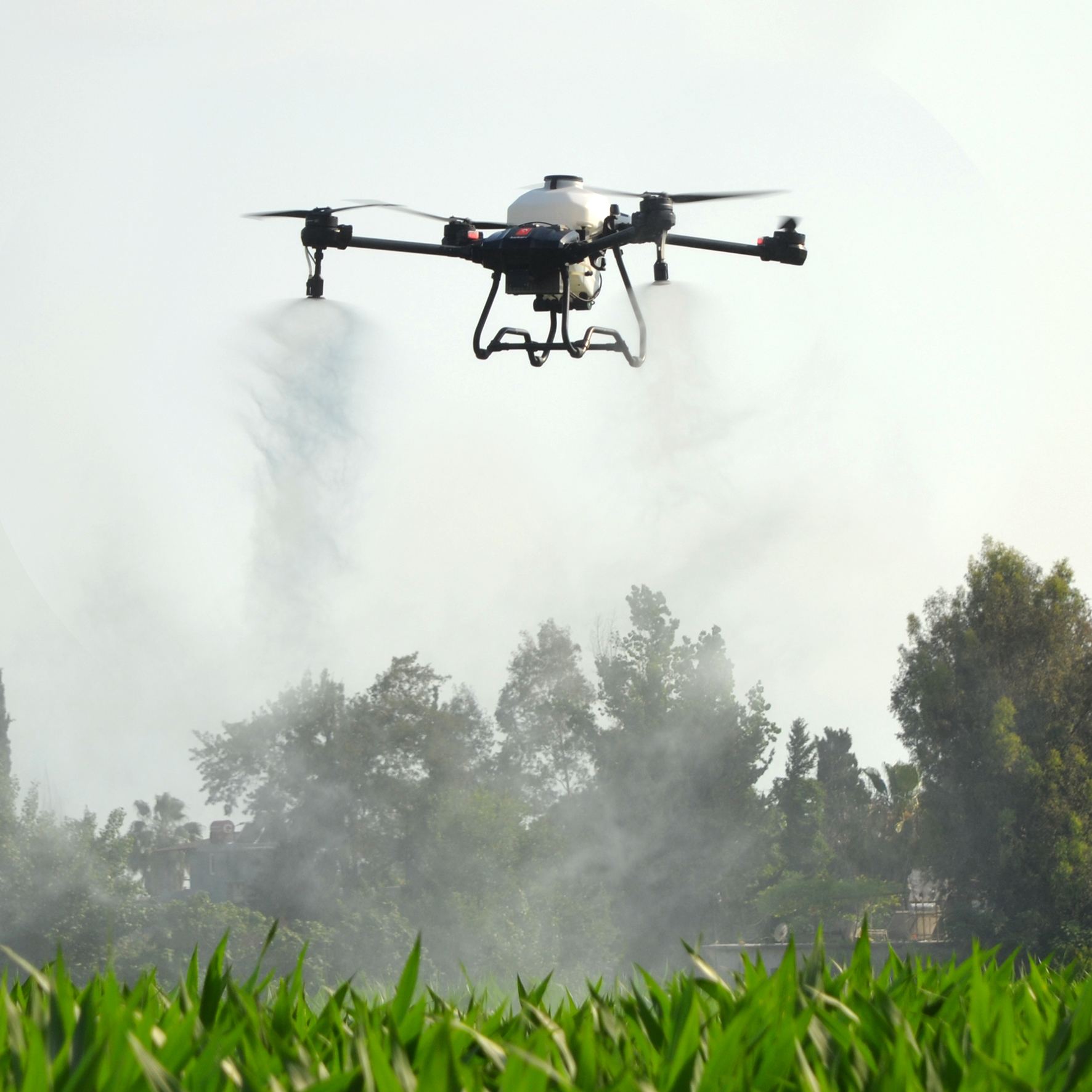
Agricultural drones can make spraying and spreading more timely. In Brazil they fly under ANAC and MAPA rules, with a qualified pilot at the controls. We trial them on a real crop against the current method, count the full cost, and expand only where cost per hectare and coverage hold up. Our people still farm, harvest, pack and deliver.
A private offering under Rule 506(c), open only to verified accredited investors. Register and we will send the investor materials when they are ready.